A well-maintained home is not just a source of comfort—it’s an investment in safety, efficiency, and long-term value. Modern homeowners understand that the condition of key systems—heating, cooling, plumbing, electrical, and emergency equipment—directly impacts both daily living and future costs. Ignoring small problems can lead to cascading failures, higher repair expenses, and even property damage. A single neglected component, whether a leaky pipe, a failing circuit, or an inefficient HVAC unit, can disrupt household routines and compromise safety. Even minor issues, if left unchecked, can reduce energy efficiency, increase utility bills, and shorten the lifespan of vital equipment.
Maintaining critical systems is more than reacting to emergencies; it requires proactive care, regular inspections, and timely repairs. A systematic approach allows homeowners to identify weak points early, plan for replacements, and coordinate services efficiently. Documenting maintenance history, noting recurring problems, and scheduling preventive checks ensures that no system is overlooked. By creating a structured maintenance schedule, you can extend the lifespan of major systems, improve energy efficiency, and prevent emergency breakdowns. This guide explores practical strategies for preserving HVAC, plumbing, electrical, and emergency systems, with actionable tips for both DIY maintenance and professional service interventions, helping homeowners keep their property safe, reliable, and cost-effective.
Ensuring Efficient and Reliable Climate Control
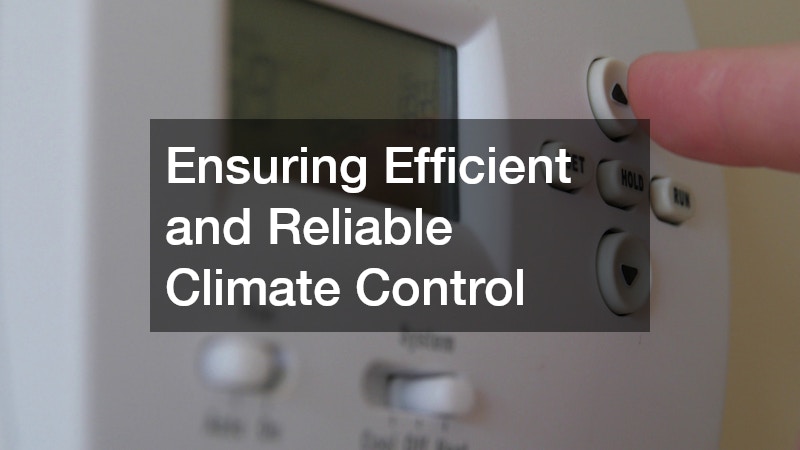
Heating and cooling systems are the backbone of home comfort. Beyond temperature regulation, a functioning HVAC system impacts indoor air quality, energy consumption, and even the longevity of other systems. Seasonal wear, clogged filters, and unnoticed malfunctions can reduce efficiency, increase utility costs, and lead to costly breakdowns.
Routine maintenance is critical. Hiring professional heating repair services ensures your furnace, heat pump, or boiler operates safely and effectively. Similarly, scheduling AC repair with qualified technicians helps prevent summer emergencies, improves airflow, and extends the life of the system.
Actionable Steps for HVAC Maintenance:
- Schedule annual inspections for both heating and cooling systems.
- Replace or clean filters monthly or as recommended by the manufacturer.
- Clear vents, registers, and ducts of dust and debris.
- Monitor for unusual noises, uneven heating/cooling, or high utility bills.
- Consider energy-efficient upgrades, such as programmable thermostats or modern ductwork, to optimize performance.
Regularly addressing HVAC issues not only maintains comfort but also protects the home from the hidden damage caused by excess humidity or fluctuating temperatures.
Maintaining Backup Power Systems
Unexpected power outages can disrupt daily life and even compromise home safety. Backup generators provide a reliable solution, especially in areas prone to storms or grid instability. However, without regular maintenance, generators can fail when they are needed most. Generator repairs and routine testing are essential to ensure operational readiness.
Local heating systems also rely on electricity, and poorly maintained HVAC units can stress backup systems during outages. Partnering with experts in local heating repairs ensures both primary and backup systems function seamlessly together.
Actionable Steps for Backup Power:
- Test generators monthly or according to manufacturer guidelines.
- Inspect batteries, fuel levels, and starting mechanisms regularly.
- Keep generators in a well-ventilated area to prevent carbon buildup.
- Maintain logs of all repairs and servicing for reference.
- Schedule annual professional inspections to prevent mechanical failures.
Proactive maintenance of backup power systems guarantees continuous comfort and safety, even when the main electrical supply fails.
Preventing Water Damage Through Plumbing Maintenance
Water intrusion and plumbing failures are among the most damaging and costly issues a homeowner can face. Basement flooding, pipe leaks, and clogged drains can result in structural damage, mold growth, and long-term health risks. Maintaining plumbing systems is, therefore, a critical part of home longevity.
Sump pump repair is a primary preventative measure. Pumps that are clogged, improperly aligned, or have worn components may fail during heavy rainfall. Similarly, drain repair ensures that wastewater is effectively directed away from the home, reducing the risk of backups and water damage.
Actionable Steps for Plumbing Maintenance:
- Inspect sump pumps before and after the rainy season.
- Test pumps monthly by pouring water into the pit and ensuring proper drainage.
- Schedule professional drain cleaning annually to prevent clogs.
- Monitor for slow drains, gurgling sounds, or foul odors.
- Install backflow prevention devices where appropriate to protect against sewer backups.
Routine care for plumbing systems minimizes disruptions and safeguards the home’s foundation and interior from water damage.
Addressing Existing Water Damage and Structural Risks
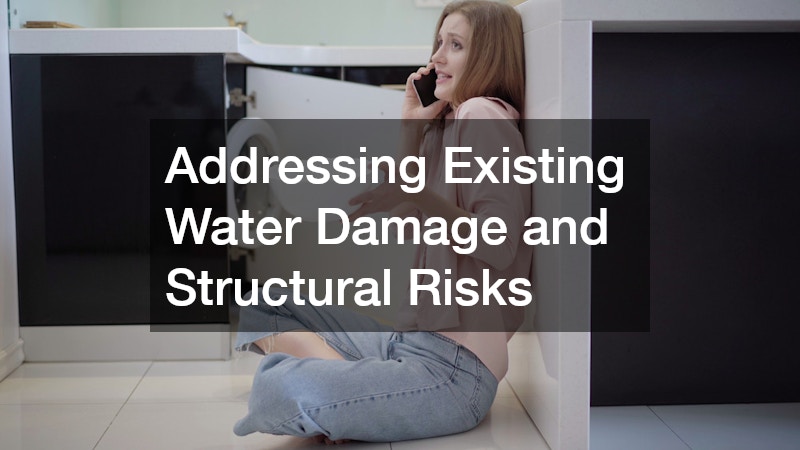
Unaddressed water damage can compromise structural integrity, encourage mold growth, and escalate repair costs. Professional water damage repair involves not only fixing visible issues but also addressing hidden moisture that may weaken flooring, walls, or ceilings. Timely intervention prevents minor leaks from turning into major restoration projects, protecting both health and property value.
Engaging local plumbers ensures leaks, corroded pipes, and faulty fixtures are identified early. Plumbers can also advise on preventative solutions, such as pipe insulation, water softening systems, and pressure regulation, which help maintain the home’s plumbing infrastructure over time. Routine inspections and maintenance plans further reduce the risk of sudden water-related emergencies, ensuring a safer and more reliable household environment for all residents.
Actionable Steps for Water Damage Prevention:
- Inspect areas around sinks, appliances, and basements regularly.
- Repair small leaks immediately to prevent structural damage.
- Keep gutters and exterior drains clear to avoid overflow.
- Utilize moisture detectors in high-risk areas.
- Document repairs for insurance purposes and future reference.
By taking early action, homeowners protect both the structural and financial integrity of their property.
Electrical System Safety and Performance
Electrical systems are vital for both functionality and safety. Faulty wiring, outdated panels, or improper installations can lead to shocks, appliance failures, or even house fires. Regular inspections and maintenance by local electricians or certified electrical services are essential to prevent hazards and maintain operational reliability.
Modern homes require complex electrical setups to support HVAC, lighting, appliances, and smart home devices. Routine checks can identify overloaded circuits, deteriorated wiring, or outdated breakers before they become dangerous. Preventative upgrades, such as installing surge protectors, GFCI outlets in wet areas, and energy-efficient panels, further enhance safety and ensure the system can handle increasing household demands. Proactive electrical maintenance reduces emergency repairs and provides peace of mind for homeowners.
Actionable Steps for Electrical Maintenance:
- Test circuit breakers and GFCI outlets periodically.
- Ensure all outlets are grounded and functioning properly.
- Avoid DIY fixes for major electrical issues.
- Schedule annual inspections with licensed electricians.
- Upgrade panels or wiring when capacity limits are reached.
Proactive electrical maintenance ensures that your home is safe, efficient, and ready to support modern demands.
Integrated Maintenance for Long-Term Home Efficiency
Maintaining individual systems independently is important, but integrating your home maintenance schedule ensures that all systems work in harmony. Coordinating heating repair services with AC repair and HVAC maintenance allows homeowners to optimize energy efficiency, prevent overlapping issues, and extend the lifespan of equipment.
Actionable Steps for Integrated Maintenance:
- Create a shared calendar for HVAC, plumbing, electrical, and backup system inspections.
- Schedule preventative service appointments during off-peak seasons to reduce costs.
- Track energy usage and repair history to identify patterns or inefficiencies.
- Combine filter replacements, vent cleaning, and system checks for a single maintenance visit.
- Consult professionals to evaluate the interactions between your HVAC and electrical systems.
An integrated approach reduces emergency repairs, maintains optimal performance, and enhances comfort while lowering utility bills.
Preparing for Emergency Scenarios
Emergencies such as power outages, storms, or unexpected equipment failure can have a major impact on home safety. Ensuring that generator repairs are up-to-date and that local heating repairs are scheduled before winter or extreme weather is critical.
Actionable Steps for Emergency Preparedness:
- Test generators monthly and after any major repairs.
- Stock spare fuel and critical components for HVAC and backup systems.
- Train family members on how to operate backup heating or cooling equipment.
- Identify emergency shut-offs for plumbing and electrical systems.
- Keep a list of trusted local service providers for rapid response.
Planning for emergencies not only reduces stress but also protects property and health during unexpected events.
Seasonal Maintenance Strategies
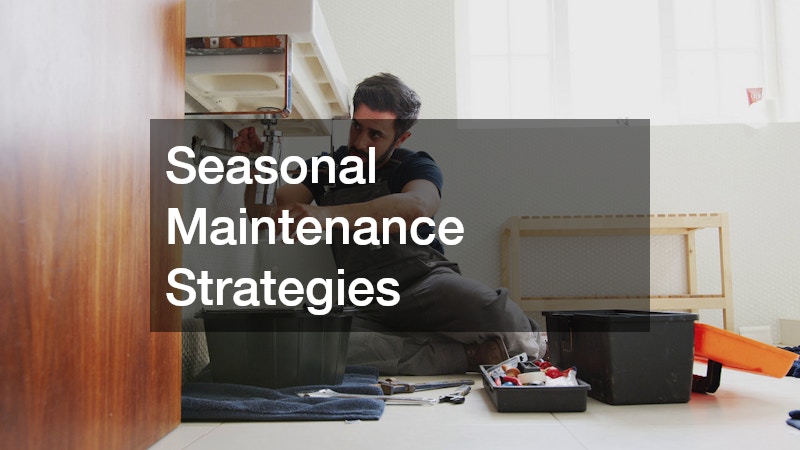
Seasonal shifts often reveal hidden weaknesses in critical systems. Rainy seasons may stress sump pumps and drainage systems, while winter can test heating efficiency. Performing seasonal maintenance ensures long-term reliability and prevents small problems from escalating.
Actionable Steps for Seasonal Checks:
- Inspect and test sump pump repair systems before heavy rains or snowmelt.
- Clean and maintain drain repair systems to prevent clogs and backups.
- Check insulation and weatherstripping around HVAC components.
- Flush water heaters, clean filters, and inspect ductwork.
- Examine outdoor electrical connections for wear or damage.
Routine seasonal maintenance not only prolongs system life but also helps maintain home comfort and prevent costly repairs.
Maintaining Plumbing and Preventing Costly Failures
Preventing plumbing failures requires both proactive monitoring and timely professional intervention. Local plumbers can inspect piping, water heaters, and pressure systems to prevent leaks that lead to water damage repair. Early identification of corrosion, loose fittings, or worn-out components mitigates structural and health risks.
Actionable Steps for Plumbing Care:
- Schedule professional inspections annually for all major plumbing systems.
- Repair leaks immediately, no matter how minor they appear.
- Test shut-off valves to ensure they operate correctly.
- Consider upgrades to piping materials, such as PEX or copper, for long-term reliability.
- Maintain records of previous repairs and upgrades to track system history.
A well-maintained plumbing system minimizes the likelihood of costly repairs and protects the home’s foundation and interiors.
Optimizing Electrical System Performance
Electrical issues are a major safety concern in any home. Working with local electricians ensures regular inspections, compliance with building codes, and identification of potential hazards before they become emergencies. Partnering with professional electrical services allows homeowners to address both minor repairs and larger upgrades.
Actionable Steps for Electrical Optimization:
- Schedule annual inspections of panels, breakers, and outlets.
- Install surge protection to safeguard electronics and appliances.
- Upgrade old or undersized wiring for modern energy demands.
- Ensure outdoor electrical installations comply with safety regulations.
- Keep electrical service documentation for future maintenance or insurance needs.
Maintaining a robust electrical system ensures safety, uninterrupted operation, and supports modern household demands.
Energy Efficiency and System Coordination
Coordinating heating repair services with AC repair can maximize energy efficiency throughout the year. Balanced systems reduce strain on individual components, lower energy bills, and provide consistent indoor comfort. Integrating smart thermostats, zoning controls, and programmable schedules enhances overall efficiency.
Actionable Steps for Energy Optimization:
- Upgrade to energy-efficient HVAC units when appropriate.
- Seal ductwork and insulate to minimize energy loss.
- Use smart thermostats to manage temperatures efficiently.
- Schedule routine inspections to maintain system performance.
- Monitor energy usage to identify inefficiencies.
Efficiency-focused maintenance not only saves money but also contributes to environmental sustainability and system longevity.
Long-Term Home Health and Safety
Home longevity relies on consistent care across all critical systems. Regularly servicing HVAC, plumbing, electrical, and backup power systems ensures safety, prevents damage, and enhances comfort. Generator repairs and timely local heating repairs play an important role in maintaining a healthy home environment.
Actionable Tips:
- Keep detailed maintenance logs for all systems.
- Replace worn or outdated components promptly.
- Combine professional inspections with homeowner monitoring.
- Prioritize critical systems during seasonal transitions.
- Educate household members on emergency procedures.
A proactive maintenance approach protects your family, preserves property value, and reduces the likelihood of disruptive emergencies.
Maintaining your home’s critical systems is essential not only for comfort but also for long-term safety, efficiency, and financial protection. Proactive attention to heating, cooling, plumbing, electrical, and emergency systems helps prevent unexpected failures, reduces repair costs, and ensures that your home operates smoothly throughout the year. Routine inspections, timely repairs, and preventive maintenance allow homeowners to address minor issues before they escalate into major problems that disrupt daily life or compromise safety.
Working with qualified professionals, including local electricians, plumbers, HVAC specialists, and emergency repair technicians, ensures that critical repairs are done correctly, safely, and according to current standards. Combining professional expertise with regular DIY checks—such as monitoring water pressure, testing alarms, and inspecting vents—creates a comprehensive maintenance strategy that maximizes system longevity.
Ultimately, investing in consistent care transforms your home into a safer, more reliable, and energy-efficient environment. By prioritizing preventative maintenance and addressing repairs promptly, homeowners protect both their family’s well-being and the long-term value of their property, creating peace of mind for years to come.