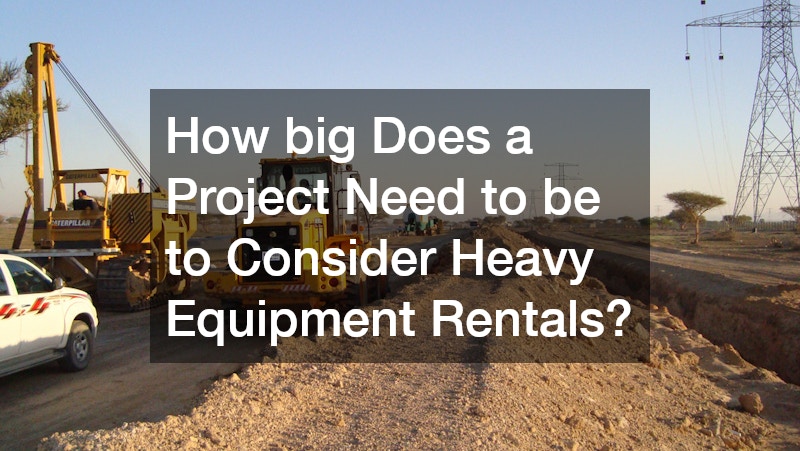
When embarking on any construction or development project, considering the right resources is crucial for success. One key consideration that often arises is whether or not to opt for heavy equipment rentals. This decision can significantly impact the efficiency and cost-effectiveness of a project.
Assessing Project Scope and Duration
Assessing the scope of your project is the first step in determining whether heavy equipment rentals are necessary. Projects with large areas to cover or substantial volumes of material to move typically benefit from such rentals. For projects with a smaller scope, manual labor or smaller tools may suffice, thus avoiding unnecessary rental costs.
The duration of the project also plays a critical role in this decision. Long-term projects may justify the initial outlay for renting heavy equipment, as their continued use can save on labor costs and increase productivity. In contrast, a short-term project might incur higher per-day costs without the offsetting efficiency advantages.
Ultimately, understanding your project’s specific needs in terms of scale and time constraints allows you to make an informed choice. Consideration of these factors will help you ascertain the value heavy equipment rentals can add to your endeavor. This critical evaluation ensures resources are optimally allocated, preventing unnecessary expenditures and prolonging project timelines.
Analyzing Cost Implications
Cost is a major factor when deciding to rent heavy equipment. It is essential to analyze the potential cost savings against the rental fees. While the upfront cost of renting may seem high, the increase in productivity often justifies this expense.
Another consideration is the cost advantage associated with avoiding the purchase and maintenance of heavy machinery. Ownership comes with ongoing maintenance requirements, which can add significant expense and complexity to managing a project. Rentals, on the other hand, include maintenance services as part of their package, reducing downtime and unplanned costs.
Furthermore, rental expenses can be accounted for as operational costs rather than capital expenditures. This accounting distinction has potential benefits for tax purposes, offering another layer of financial incentive to opt for heavy equipment rentals. Evaluating both direct and indirect costs helps clarify the economic advantages of rentals.
Evaluating Project Constraints and Site Conditions
Every project is inherently unique, with its particular constraints and conditions affecting equipment decisions. Site conditions such as landscape, soil type, and access can influence machinery requirements. Heavy equipment rentals provide the flexibility to adapt to these varying site conditions without the commitment of purchase.
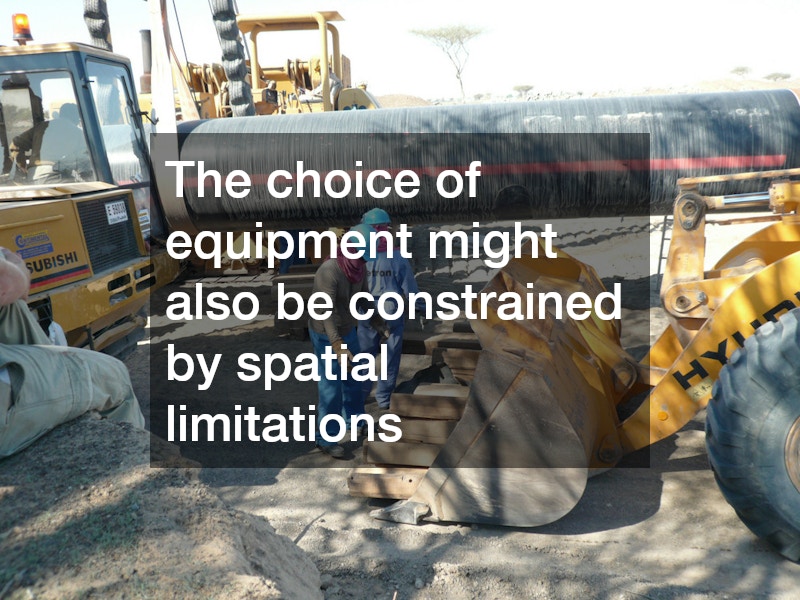
In urban or restricted spaces, the choice of equipment might also be constrained by spatial limitations. Rentals allow for selecting machinery that fits within these physical parameters and is best suited for the specific work environment. This adaptability reduces the risk of project delays due to unsuitable equipment.
Additionally, some projects may require specialized equipment not available within a firm’s existing inventory. Heavy equipment rentals enable access to a diverse range of machinery to address these specialized needs. This allows project managers to tailor their equipment choices to meet precise project demands effectively.
Benefits of Access to the Latest Equipment
One of the significant advantages of heavy equipment rentals is access to state-of-the-art machinery. Rental companies typically update their inventory regularly, providing the latest models equipped with advanced technology. This ensures your project benefits from improved efficiency, safety, and performance.
Operating newer equipment also decreases the likelihood of mechanical failures. Newer machinery often has better fuel efficiency and reduced emissions, aligning with increasing environmental regulations and sustainability goals. These advancements can lead to long-term cost savings and enhanced project reputability.
Additionally, using the latest equipment can provide a competitive edge. Clients may perceive projects using cutting-edge technology as more reliable and professional. This perception can lead to increased business opportunities in the future, proving that heavy equipment rentals can have benefits beyond immediate efficiency gains.
Making an Informed Decision
The decision to invest in heavy equipment rentals should be guided by careful project evaluation and comprehensive financial analysis. Assessing the scope, cost implications, site constraints, and equipment benefits ensures a thorough understanding of all variables involved. This informed decision-making process ultimately contributes to project success.
By considering these key factors, project managers can strategically leverage heavy equipment rentals to enhance productivity, manage costs, and maximize project outcomes. Understanding when and why to utilize rentals keeps projects on time and under budget. As the construction industry evolves, being adaptable and informed about equipment options becomes increasingly important.
While not every project will require heavy equipment rentals, those that do can reap significant rewards. Recognizing the appropriate circumstances for such investments ensures that projects benefit from the efficiency and expertise that rented machinery can provide. This strategic approach not only optimizes current projects but also builds a foundation for future success in the competitive construction landscape.