
The transition from autumn to winter brings a crispness to the outdoor air and a subtle shift in daily domestic routines. However, as temperatures drop steadily toward seasonal low points, homeowners face a critical window of opportunity to safeguard their properties against severe weather elements. Winter conditions introduce intense physical stress on structural foundations, internal plumbing networks, overhead roof decking, and indoor climate control systems. Without thoughtful preparation, frozen plumbing lines can rupture, rooflines can buckle under heavy ice buildup, and mechanical warming systems can fail when needed most. Taking proactive measures long before severe freezes arrive ensures long-term home comfort, preserves structural stability, and offers financial peace of mind.
Preparing a home for harsh weather requires a comprehensive understanding of how different building components interact under thermal stress. Moisture, temperature fluctuations, and expanding ice work together to seek out vulnerabilities in your home’s exterior shell and internal mechanical defenses. By focusing on critical areas such as water lines, overhead roofing, exterior wall cladding, and interior thermal regulation, homeowners can create a resilient barrier against severe environmental strain. A methodical approach to seasonal maintenance prevents emergency situations and extends the operating lifespan of key residential infrastructure.
Building resilience requires both short-term adjustments and long-term investment strategies. While simple actions like sealing minor drafts or draining outdoor spigots offer immediate protection, deeper structural inspections reveal underlying issues that could compromise home integrity over time. Understanding the physics of thermal movement, moisture migration, and structural expansion allows homeowners to make informed decisions when maintaining their living spaces. Investing time and care into early preparation transforms your home into a safe, energy-efficient haven capable of enduring the most challenging winter storms. The following comprehensive guide provides in-depth, practical, and highly detailed recommendations to help you thoroughly fortify your home before extreme weather arrives.
Protecting Vulnerable Plumbing and Water Lines
Plumbing infrastructure is exceptionally vulnerable to freezing weather conditions because water expands substantially as it transitions from a liquid state into solid ice. When water freezes inside a closed pipe, the expanding solid structure generates enormous internal hydraulic pressure that presses relentlessly against the interior metal or plastic walls. This extreme pressure buildup frequently causes the pipe material to split or rupture, leading to catastrophic indoor flooding once the surrounding ambient temperature rises and thaw occurs. To prevent this devastating outcome, homeowners must systematically identify and secure vulnerable plumbing pathways throughout the entire residence. Unheated structural zones such as unconditioned basements, vented crawlspaces, dark attics, and exterior perimeter walls pose the highest operational risk because they lack direct exposure to internal climate warmth.
Protecting these vulnerable water supply networks begins with thoroughly wrapping all exposed pipes in thick elastomeric foam tubing, fiberglass sleeving, or flexible rubber insulation strips. Every pipe elbow, tee joint, and shut-off valve requires seamless coverage to eliminate exposed thermal bridges where freezing air currents can penetrate. In regions subject to deep, multi-day freezes, installing self-regulating electric heat trace cables directly along vulnerable water lines provides an active line of defense by maintaining a steady minimum line temperature. Exterior hose bibs and garden spigots must be disconnected, drained completely of residual water, and covered with heavy-duty insulated foam caps. Indoors, opening sink cabinet doors during extreme cold spells enables warm room air to circulate freely around concealed plumbing, keeping water moving safely without stagnation.
Beyond basic pipe insulation, larger domestic hot water systems require specialized attention before severe seasonal drops. Scheduling a modern water heater installation can drastically improve household thermal efficiency and ensure dependable domestic hot water delivery during cold snaps, especially when replacing an aging unit located in a cold garage or damp utility cellar. Modern storage tanks incorporate high-density factory foam insulation that minimizes standby energy loss. For comprehensive structural protection, partnering with a professional insulation company ensures that exterior wall cavities framing vulnerable supply lines are filled with high-density dense-pack cellulose or blown foam, creating an impenetrable thermal barrier between outdoor cold and interior plumbing lines.
Taking time to map out shut-off valves throughout your home provides an additional safeguard against unforeseen plumbing emergencies. Knowing the exact location of the main water supply valve allows household members to cut off water flow instantly should a leak develop, greatly mitigating potential structural moisture damage. Furthermore, installing liquid leak detectors near vulnerable pipe junctions and appliance baselines provides early audible warnings if small drips occur during severe weather.
Optimizing Air Circulation and System Efficiency
A reliable home climate environment serves as your primary defensive barrier against harsh winter weather, maintaining healthy living conditions and preventing internal structural freezing. As seasonal demands on mechanical warming equipment increase, minor mechanical flaws or unaddressed component wear can quickly escalate into total system failures. Comprehensive pre-season evaluation ensures that mechanical blowers, burners, heat exchangers, and distribution networks operate smoothly, distribute conditioned air evenly, and consume energy efficiently throughout the most demanding months.
Routine self-maintenance begins with simple yet vital practices, such as inspecting and replacing air filters. Dynamic filter media continuously extract dust, pet dander, and ambient airborne particulates from circulating indoor air. Over time, accumulated debris restricts air volume passing across heat exchangers, forcing blower motors to operate under excessive strain while causing uneven room temperatures. Homeowners should inspect air filters at regular intervals, replacing clogged units to maintain unobstructed air distribution. Furthermore, verifying that supply registers and return grilles remain unobstructed by heavy furniture, thick carpets, or window drapes guarantees efficient air movement across every living zone.
Professional mechanical evaluation plays an equally vital role in maintaining continuous system health. Trained technicians performing routine checks on your home’s primary heating system can identify worn electrical contacts, recalibrate electronic thermostats, clean delicate burner orifices, and test essential safety mechanisms. When an older furnace exhibits fluctuating performance, strange vibrations, or persistent ignition delays, addressing these symptoms early through necessary heating repairs prevents minor mechanical stress from escalating into complete operational breakdown during extreme weather events.
Understanding air distribution mechanics helps maintain consistent indoor temperatures. Unbalanced airflow can leave certain rooms freezing while others overheat. Balancing dampers inside ductwork and ensuring return pathways remain completely open allows conditioned warmth to spread smoothly throughout all household zones without placing unnecessary pressure on blower components. Inspecting duct joints for air leaks and sealing visible gaps with foil tape or mastic sealant prevents warm air from escaping into unconditioned crawlspaces or attics.
Preparing Backup Solutions and Modern System Upgrades
Even meticulously maintained environmental systems face extraordinary strain during prolonged regional cold waves, making strategic backup planning an essential aspect of responsible property management. Sub-zero weather events often coincide with regional grid disruptions, high demand, or sudden mechanical stress that can leave homes without primary environmental controls for extended periods. Establishing contingency protocols and identifying certified service providers before extreme weather strikes reduces domestic stress and prevents prolonged indoor thermal drops.
When an unexpected system failure occurs during freezing weather, immediate access to emergency heating repairs is vital to protect household occupants and prevent internal water lines from freezing. Keeping emergency contacts easily accessible and verifying response policies with local service firms ensures rapid assistance when conditions become critical. Homeowners should also verify the operation of secondary warmth sources, such as zero-clearance fireplace inserts or dedicated supplemental electric wall units, confirming that flues are clean and electrical circuits are operating within safe parameters.
For property owners seeking to modernize their primary environmental control setup with sustainable technology, scheduling a professional heat pump installation provides exceptional energy performance and year-round indoor comfort. Advanced cold-climate heat pumps employ inverter-driven compressors and specialized refrigerant cycles capable of extracting ambient thermal energy from outdoor air even during sub-freezing weather. Selecting a properly sized unit tailored to your home’s unique thermal loss profile guarantees steady warmth while dramatically lowering overall energy consumption compared to conventional resistance equipment.
Creating an emergency plan for extended power or system outages keeps families safe during extreme winter occurrences. Gathering portable emergency supplies, insulating temporary living zones within the house, and keeping backup batteries charged ensures your household remains functional and secure until main systems are fully restored. Having temporary thermal blankets and secondary safety supplies stored in a central location allows quick deployment if temperatures drop inside.
Securing Overhead Roof Integrity and Fuel Reserves
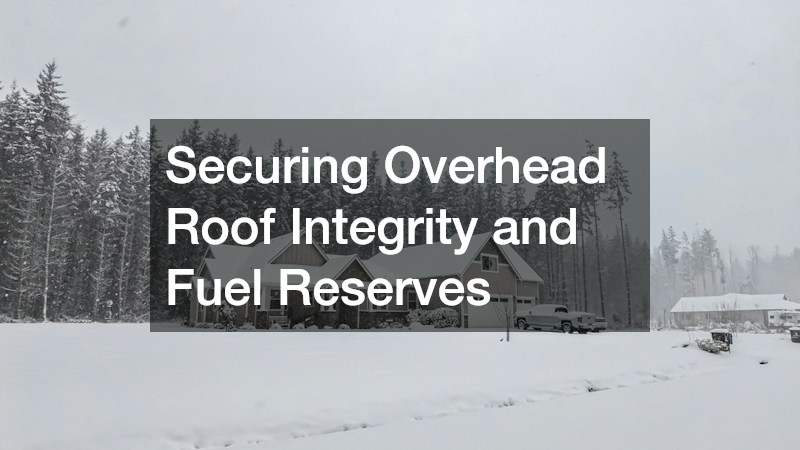
The overhead roof structure serves as your property’s primary shield against heavy snowfall, freezing rain, and high winter winds. Throughout autumn, falling leaves, twigs, and windborne debris gather in roof valleys, internal gutters, and downspout collectors. If left uncleaned, this accumulated debris forms dense blockages that obstruct proper liquid drainage. When heavy winter precipitation arrives followed by freezing thermal cycles, trapped moisture freezes into thick ice dams along the roof eaves. Ice dams block melting snow from draining off the roof, pushing standing liquid upward beneath asphalt shingles where it penetrates roof decking and leaks into interior ceilings.
Thorough roof preservation requires systematically clearing all organic debris from gutter channels and flushing downspouts with running water to ensure clear passage away from the structural foundation. Extending downspout extensions outward from exterior walls prevents localized ground saturation that could freeze, expand, and exert lateral pressure against basement foundation walls. Homeowners must also inspect metal flashings surrounding chimneys, plumbing stack vents, and skylights. Degraded or cracked sealant around these critical junctions allows wind-driven moisture to bypass primary underlayments, causing timber rot and weakening internal structural rafters.
When an aging roof shows signs of widespread structural sagging, missing shingles, or extensive granule degradation, scheduling a complete roofing installation during dry weather restores full structural integrity and protects the dwelling against heavy winter snow accumulation. Simultaneously, properties that rely on liquid propane or bulk fuel reserves for seasonal comfort must actively manage stored energy reserves. Establishing a reliable schedule with a certified residential fuel service guarantees that fuel storage tanks are filled before major snowstorms arrive, avoiding fuel exhaustion during severe weather when delivery transport routes are disrupted.
Attic ventilation also plays a critical role in roof longevity. Proper airflow through soffit and ridge vents keeps attic temperatures aligned with outdoor air, preventing the freeze-thaw cycles on the roof deck that encourage ice dam formation. Checking attic spaces after heavy snowfalls allows early detection of phantom leaks or excessive frost accumulation along underside roof rafters.
Sealing Building Envelopes and External Barriers
A significant proportion of interior thermal loss occurs directly through micro-fissures, unsealed gaps, and aging building envelope components. Cold exterior winds force chilly air currents into living spaces through hairline fractures around window casings, door frames, and wall penetrations, while warm interior air rises and escapes through upper ceilings. This continuous air movement, known as the stack effect, increases utility costs and creates drafty, uncomfortable living zones. Systematically sealing the exterior shell creates a tight building envelope that locks in warmth and shields the interior structure.
Applying high-grade exterior caulk around window frames, hose bib penetrations, and siding joints effectively blocks wind-driven air infiltration. Exterior entry doors should be equipped with new flexible weatherstripping along perimeter jambs and heavy-duty adjustable door sweeps at the threshold to stop cold floor-level air drafts. Inspecting crawlspace access doors and foundation vents ensures they are fully secured for the season, preventing sub-zero wind currents from blowing beneath main-floor living spaces where uninsulated floors and water pipes reside.
For substantial long-term gains in building efficiency and exterior weather protection, consulting a qualified window contractor allows homeowners to replace old single-pane glass with modern multi-pane insulated windows featuring low-emissivity coatings and inert gas insulation. To complement upgraded window units, investing in comprehensive siding services provides an opportunity to install rigid foam insulation boards behind newly fitted exterior cladding, establishing a continuous thermal barrier that eliminates thermal bridging across exterior wall studs.
Integrating interior window treatments, such as thermal cellular shades or heavy insulated drapes, provides an additional layer of protection against window glass radiation loss during chilly winter nights. These simple interior additions work in harmony with exterior sealing to keep living environments consistently warm. Taking time to inspect wall outlets and electrical switch boxes on exterior walls also reveals hidden draft pathways that can be easily plugged with inexpensive foam gaskets.
Maintaining Continuous Seasonal Protection and Vigilance
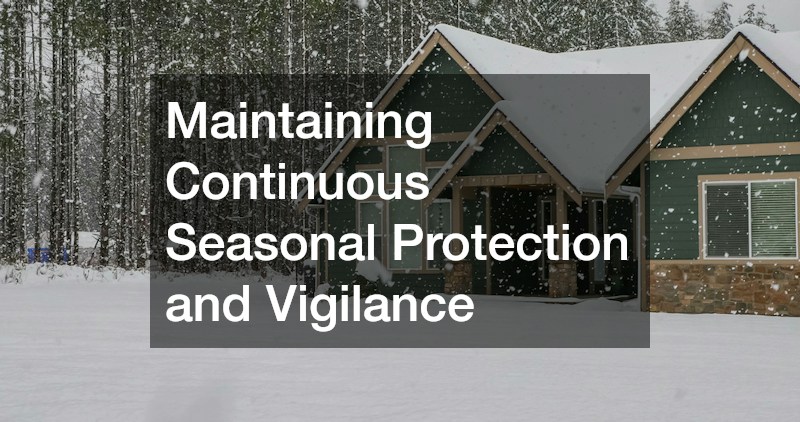
Maintaining a secure, comfortable, and resilient home throughout the coldest months requires proactive preparation, thorough inspections, and timely maintenance. By taking decisive action across all major structural systems—from insulating vulnerable plumbing and servicing environmental controls to clearing roof drainage paths and sealing envelope drafts—you protect your property against severe winter hazards. Seasonal vigilance not only prevents costly structural damage and emergency situations but also enhances overall energy efficiency and indoor living comfort.
As cold weather approaches, executing a step-by-step winterization plan ensures your dwelling remains a safe and warm sanctuary. Continuously monitoring indoor humidity, keeping exterior drainage paths clear, and observing system performance throughout the season allows you to catch minor issues before they develop into serious complications. Investing time and care into protecting your property today delivers lasting safety, structural integrity, and peace of mind all winter long.