
Florida homeowners know that outdoor spaces are more than just yards—they are extensions of the home. Whether it’s a backyard patio, a waterfront deck, or a shaded lanai, well-planned outdoor renovations can increase your property’s value and improve your lifestyle. However, creating a functional and beautiful outdoor area requires careful planning, durable materials, and professional expertise. In this guide, we’ll provide detailed insights, practical tips, and expert advice to help you navigate every aspect of outdoor renovation projects, from initial planning to final touches.
Planning Your Outdoor Renovation Project
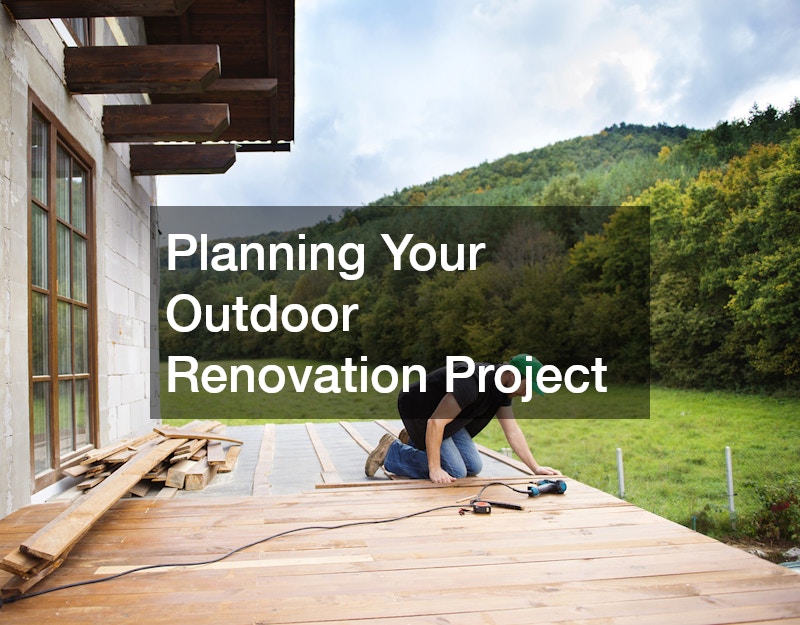
A successful renovation starts with thoughtful planning. Without a clear roadmap, even the most exciting ideas can lead to delays, cost overruns, or disappointing results. Start by considering what you want to achieve: more entertaining space, increased privacy, or enhanced curb appeal. Visualize how each element will function, from traffic flow to seating areas and landscaping, so your outdoor space feels cohesive and practical.
Key steps to effective planning:
- Define objectives: List your main goals. Are you aiming for a relaxing retreat, a space for gatherings, or improved outdoor living functionality? Decide which features are essential versus optional to guide your decisions throughout the project.
- Establish a budget: Research costs for materials, labor, and any specialized equipment. Include a buffer for unexpected expenses. Breaking down costs by categories, such as fencing, roofing, or patios, helps keep spending on track.
- Set a timeline: Map out each phase, from permitting to construction and material delivery. Factor in possible weather delays and shipment timing to avoid bottlenecks.
- Professional oversight: For larger projects, hiring someone with a certification for project management ensures deadlines are met, resources are used efficiently, and subcontractors are coordinated smoothly.
With a structured plan in place, you’ll avoid common pitfalls and keep every element aligned with your overall vision, making your renovation process more efficient and stress-free.
Designing Your Ideal Patio Space
Patios are the heart of Florida outdoor living. They offer a place to relax, entertain, and enjoy the year-round sunshine. Whether you’re considering stone, pavers, or decorative concrete, a thoughtful patio design maximizes both functionality and aesthetic appeal. A well-designed patio seamlessly connects indoor and outdoor spaces, creating a natural flow that enhances both comfort and usability.
Tips for a successful patio renovation:
- Choose durable materials: Select options that withstand Florida’s humidity, intense sun, and heavy rain. Materials like concrete pavers, natural stone, and treated wood can endure seasonal weather while maintaining their appearance.
- Plan the layout: Allocate space for seating, dining, and outdoor cooking areas. Consider traffic flow and the number of people you expect to accommodate regularly. Zoning your patio into functional areas ensures it remains organized and inviting.
- Account for drainage: Proper grading and drainage solutions prevent pooling water and structural damage. Installing channels or permeable surfaces can protect the patio’s foundation and reduce maintenance needs.
- Incorporate shading: Use pergolas, umbrellas, or retractable awnings to provide comfort during hot afternoons. Shade not only makes the patio more usable but also protects furniture and flooring from sun damage.
- Hire a professional patio builder: Working with experts ensures precise installation, adherence to local building codes, and long-term durability. A professional can provide valuable insights on material longevity, design integration with landscaping, and techniques that optimize both appearance and function.
By carefully considering materials, layout, drainage, shading, and professional installation, you can create a patio that is both beautiful and resilient, turning your outdoor space into a true extension of your home.
Installing Fences for Privacy and Safety
A well-designed fence provides more than a boundary—it enhances privacy, security, and even aesthetics. It can define outdoor living spaces, complement landscaping, and give a polished, finished look to your property. Florida weather can be particularly challenging for fence materials, with intense sun, heavy rain, and hurricanes testing durability, so careful material selection is essential.
Best practices for fence installations:
- Choose weather-resistant materials: Opt for vinyl, aluminum, or pressure-treated wood to withstand the heat, humidity, and storms common in Florida. These materials resist rot, warping, and corrosion, extending the life of your fence.
- Plan the fence line strategically: Take into account slopes, drainage patterns, and property boundaries to ensure the fence functions properly and avoids water pooling or erosion issues. Proper planning also prevents disputes with neighbors and ensures compliance with local regulations.
- Include functional gates: Gates should provide convenient entry points without compromising security. Consider the placement, size, and locking mechanisms to balance accessibility with protection, and ensure they complement the overall design of the fence.
- Hire licensed gate and fence installers: Professional installers ensure correct anchoring, precise alignment, and adherence to building codes. Expert installation increases resilience against strong winds and hurricanes, providing peace of mind that your fence will remain stable and secure.
Fence installations not only offer immediate functional benefits but also enhance the aesthetic appeal and long-term value of your property. By selecting durable materials, planning carefully, incorporating gates, and relying on skilled installers, your fence becomes a lasting investment that improves both the security and enjoyment of your outdoor spaces.
Adding Gate Features for Security and Style
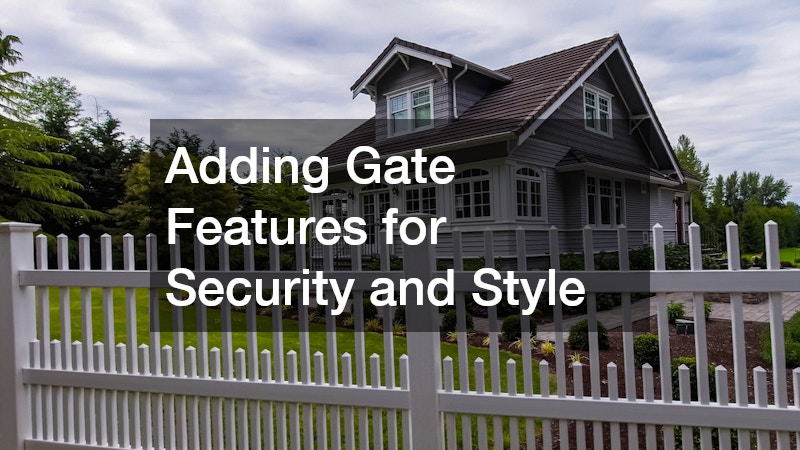
Gates are both functional and decorative, providing controlled access while enhancing the overall curb appeal of your property. They serve as entry points, manage traffic flow, and contribute to the first impression visitors have of your home or commercial space. A well-planned gate can also improve security, deter unauthorized entry, and protect children or pets within the property boundaries.
Gate planning and installation tips:
- Match materials to existing fences: Select gate materials that harmonize with your fencing style, whether it’s wood, aluminum, or vinyl. This creates a cohesive appearance and maintains a consistent aesthetic across your outdoor space.
- Ensure smooth operation: Proper alignment and high-quality hardware, such as hinges, latches, and rollers, are crucial for easy opening and closing. Durable components reduce wear and tear, minimize maintenance, and extend the gate’s lifespan.
- Consider automation options: Automated or smart gates offer enhanced convenience, allowing controlled access without manual operation. Features such as keypads, remote controls, or smartphone integration can improve functionality while adding modern appeal.
- Hire skilled gate and fence installers: Professional installation ensures precise placement, secure anchoring, and reliable performance. Experienced installers can anticipate potential issues, adhere to local building codes, and guarantee a long-lasting solution that withstands Florida’s weather conditions.
Strategic gate placement, combined with thoughtful material selection and expert installation, reduces long-term maintenance needs while creating a polished, cohesive look across your property. When executed properly, gates not only serve as practical entry points but also enhance the beauty, functionality, and value of your outdoor space.
Enhancing Outdoor Living With Lanais
Lanais are a hallmark of Florida living, providing a comfortable outdoor retreat while shielding you from harsh sun and pesky insects. Enclosing a lanai can expand your usable space, creating an area suitable for dining, relaxation, or entertaining throughout the year. With thoughtful planning and design, a lanai enclosure can seamlessly blend with your home’s aesthetic while maximizing functionality.
Tips for practical lanai enclosures:
- Select durable materials: Choose materials that resist sun damage, moisture, and UV exposure, such as powder-coated aluminum frames and weather-resistant screens. This ensures longevity and minimizes the need for frequent repairs or replacements.
- Integrate with your home’s design: Consider architectural elements, rooflines, and landscaping when planning the enclosure. A cohesive design enhances curb appeal and ensures that the lanai feels like a natural extension of your home rather than an afterthought.
- Optimize ventilation and airflow: Proper airflow is essential to maintain comfort in Florida’s humid climate. Incorporate ceiling fans, strategically placed vents, or operable windows to keep the space cool and enjoyable during warmer months.
- Plan for easy maintenance: Regular upkeep of screens, seals, and structural components prevents deterioration, protects against pests, and keeps the enclosure looking its best. Selecting materials that are easy to clean also reduces long-term maintenance efforts.
- Work with experienced installers: Professional lanai installers ensure the structure is secure, aligned, and built to withstand Florida weather conditions. Their expertise helps avoid common pitfalls, such as improper sealing or insufficient support, which can compromise safety and functionality.
A well-executed lanai enclosure enhances the comfort, usability, and value of your home. By combining durable materials, thoughtful design, proper ventilation, and expert installation, you create a space that is both practical and visually appealing, making it a standout feature in your outdoor living area.
Maintaining Roofs for Outdoor Projects
Your roof is one of the most critical elements of your home, not just for protecting the interior but also for supporting any outdoor structures you plan to add. Features like patio covers, lanais, pergolas, and even extended decks rely on a stable, well-maintained roof to ensure safety and longevity. Taking the time to evaluate and maintain your roof before starting outdoor renovations can save significant time, money, and stress down the line.
Maintenance and planning advice:
- Perform thorough inspections: Check for leaks, cracked or missing shingles, and signs of structural weakness such as sagging areas or water stains. Early detection allows you to address issues before they compromise your outdoor additions.
- Manage water runoff effectively: Ensure gutters and downspouts are functioning properly to direct water away from patios, garden beds, and foundations. Improper runoff can cause soil erosion, flooding, or damage to wooden decking and other outdoor features.
- Hire a residential roofing contractor: Professional contractors can assess whether your roof needs repairs, reinforcements, or upgrades to safely support additional weight from outdoor structures. Their expertise ensures compliance with building codes and avoids potential safety hazards.
- Integrate roofing and landscaping plans: Plan how water from your roof interacts with surrounding landscaping. Consider splash blocks, French drains, or subtle grading adjustments to channel water safely, protecting both plantings and outdoor living areas.
- Schedule proactive maintenance: Regular maintenance, such as cleaning gutters, replacing damaged shingles, and inspecting flashing, can extend your roof’s lifespan. Preventive care reduces the risk of expensive emergency repairs and preserves the integrity of your outdoor investments.
By prioritizing roof health before constructing or enhancing outdoor spaces, you create a strong foundation that supports all additions safely and effectively. Addressing potential weaknesses early ensures that your patio covers, lanais, or other structures remain secure, functional, and durable, while safeguarding your property’s overall value and aesthetic appeal.
Restoring Roofs to Protect Outdoor Investments
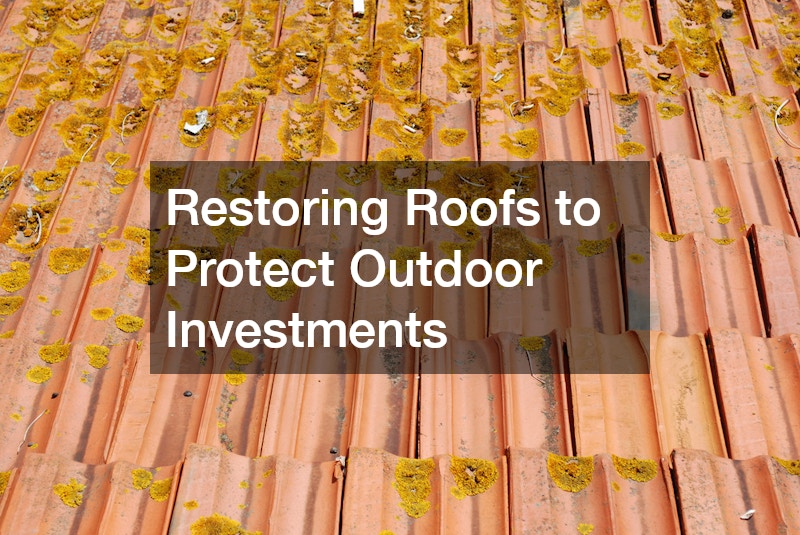
Older roofs may require restorations to maintain functionality and protect your home’s exterior. Restoring a roof enhances durability and complements your outdoor renovation efforts.
Roof restoration tips:
- Schedule inspections to identify areas of wear, mold, or water damage.
- Use coatings or sealants suitable for Florida’s sun and rainfall conditions.
- Coordinate with other outdoor projects to minimize disruption.
- Roof restorations extend lifespan and ensure safe support for attached structures like lanais or pergolas.
Proper restoration enhances both safety and aesthetics while safeguarding the property’s value.
Incorporating Water Features and Docks
Waterfront properties gain both functionality and charm from well-designed water features. A boat dock not only enhances usability but also increases property value. Key considerations include:
- Follow local regulations and permitting requirements to ensure compliance.
- Use durable, weather-resistant materials for pilings, decking, and fasteners.
- Plan for safety with railings and non-slip surfaces.
- Integrate with landscaping to prevent erosion and preserve shoreline aesthetics.
A thoughtfully installed dock provides recreational opportunities and boosts the overall appeal of your waterfront property, making the most of Florida’s abundant waterways.
Sourcing Quality Building Materials
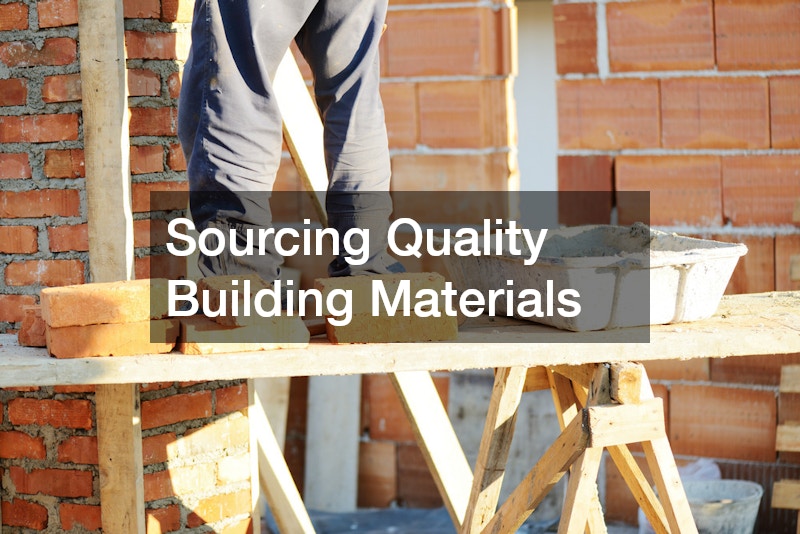
Choosing the right building supplies directly impacts the durability and appearance of your outdoor spaces. Weather-resistant materials help your renovations endure Florida’s climate, while consistent quality ensures a polished, cohesive look. Key considerations include:
- Prioritize weather-resistant wood, metal, and composite options.
- Compare suppliers for reliability, delivery speed, and cost-effectiveness.
- Check for warranties and product certifications.
- Ensure consistency in materials for visual cohesion across patios, fences, and decks.
Reviewing these factors adds confidence that your investment will last for years with minimal upkeep.
Understanding Local Regulations in Florida
Every outdoor renovation must meet local codes and permitting requirements to ensure safety, legality, and a smooth construction process. Following regulations helps prevent costly delays and protects your investment. Key steps include:
- Check zoning laws, setback requirements, and hurricane codes.
- Obtain necessary permits before beginning construction.
- Consult local authorities or experienced contractors for guidance.
- Understand regulations to protect your investment and avoid fines.
Being proactive about compliance keeps your project on track and hassle-free, ensuring a successful outdoor renovation.
Outdoor renovations in Florida require careful planning, quality materials, and professional expertise. From patios and fences to lanais, docks, and roofing considerations, every element contributes to a safe, functional, and beautiful space. By working with experienced contractors and sourcing durable building supplies, you can create an outdoor oasis that stands up to Florida’s climate while enhancing property value. Whether you’re upgrading your backyard, installing a lanai, or adding a dock, a well-executed renovation ensures comfort, style, and long-term enjoyment for your family.